
Seasonal Guide: Best Biscuits to Send for Christmas, Easter, and Summer
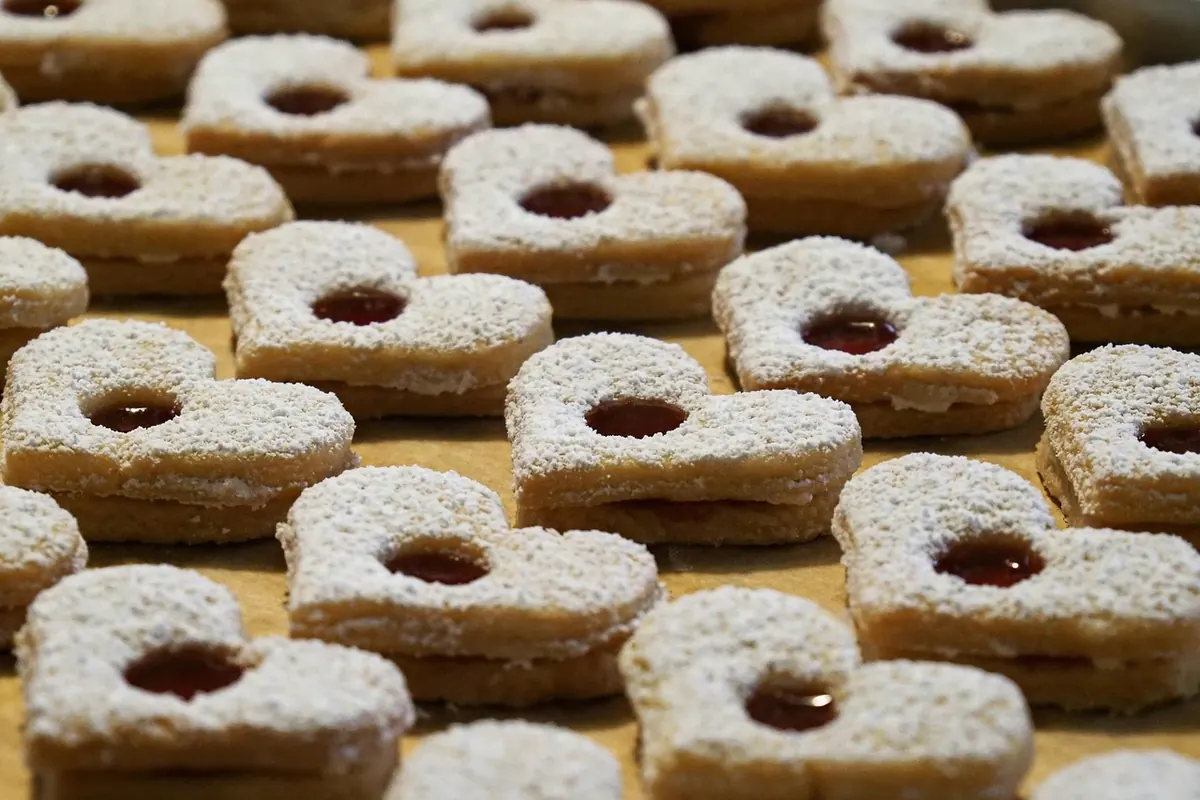
Biscuits are one of the few gifts that arrive edible, which is most of their charm. The catch is that a box of chocolate-dipped shortbread that survives a December doorstep can land as cocoa smears and crumbs in August. Match the flavor, the packaging, and the shipping window to the season, and your parcel will look like it was packed an hour before it arrived.
Christmas: Rich Flavors, Cold Air on Your Side
Winter is the most forgiving season for biscuit delivery. Cold air slows staling, butter holds its shape, and chocolate stays glossy from bakery to doorstep. That means you can send the indulgent things you would avoid in July: dipped and drizzled shortbread, chocolate peppermint, brown-butter pecan, cranberry-pistachio, orange-cardamom butter cookies.
Spiced biscuits earn their reputation here. Gingerbread, speculaas, and lebkuchen often taste better a few days after baking than on the day, which works in your favor: bake early, pack tight, and ship without the last-minute panic. Lebkuchen-style rounds on an oblaten wafer base hold up particularly well in a tin.
Flavors that read as Christmas without being obvious
- Dark ginger with black pepper or clove
- Orange zest and dark chocolate
- Cranberry-pistachio shortbread, cut into fingers
- Maple-pecan icebox cookies
- Mincemeat thumbprints with a dusting of sugar
Packing a Christmas Tin That Arrives Intact
A tin beats a box almost every time in December. It survives stacking in a sorting facility, keeps out the dry indoor air that turns cookies brittle-hard, and gets reused for years, which is a quiet bonus for a gift. Line it with parchment, add dividers if you have them, and fill every gap. A biscuit that can slide is a biscuit that will crack.
Build in layers by weight. Sturdy bar cookies and plain rounds go on the bottom; iced, sandwiched, or decorated pieces go on top with a sheet of parchment between layers. Cushion with crumpled parchment or food-safe tissue, but do not compress the stack. Pressure breaks more biscuits than rough handling does.
If you are sending to several households, standardize the tin size. It makes packing faster, keeps shipping costs predictable, and means you can mention the dimensions when you order labels or inserts.
Easter: Lighter Flavors, Warmer Weather
Easter sits in a variable window. Some years it arrives with snow; others with a warm afternoon. Check the forecast at the delivery address, not just at yours, because the final stretch of the journey decides what the recipient opens.
This is the season for lemon, lavender, almond, and marzipan. Think lemon-poppyseed rounds, lavender shortbread, almond macaroons, and spiced fruit biscuits that echo hot cross buns. Pastel glace icing and fine sugar work looks lovely against spring packaging, and pastel tins or paper wraps feel celebratory without shouting.
Two practical problems to plan around. Meringue kisses and delicate glace decorations are fragile; pack them in a rigid insert or save them for hand delivery. And chocolate eggs, chocolate-dipped biscuits, and soft fillings are a gamble — a warm late-March day is enough to soften coatings and smear your careful decoration. If the forecast is mild, send them; if it is not, swap in a citrus glaze.
Summer: Design Around Heat and Humidity
Warm weather rewrites the rules. Chocolate blooms, butter in high-fat shortbread can turn greasy, jam sandwiched between cookies soaks into the crumb, and royal icing goes tacky in humid air. None of that is dangerous, but it is disappointing, and the recipient notices before they taste anything.
Choose dry, crisp, low-moisture biscuits instead: biscotti, mandelbrot, ginger snaps, oat crisps, coconut-lime shortbread, lemon-poppyseed thins, and thin sugar cookies baked until evenly golden. Cocoa nibs give you the chocolate note without the melting problem. Herbs and salt work well too — rosemary-parmesan and black pepper cheddar biscuits are excellent warm-weather gifts that do not pretend to be dessert.
For anything with jam, cream, or a soft filling, ship the components separately and let the recipient assemble. A small jar of lemon curd or raspberry jam beside a bag of crisp shortbread arrives in far better condition than the same flavor pre-built.
A Season-by-Season Shipping Checklist
- Check the destination forecast for the delivery day, plus a day either side.
- Ship Monday to Wednesday. A parcel that leaves on Thursday can sit in a depot all weekend.
- Choose the fastest service you can reasonably afford; two days beats five in every season.
- Use a tin or rigid box, plus an inner bag or parchment wrap to slow moisture loss.
- Fill empty space so nothing shifts, and keep heavy layers at the bottom.
- Skip chocolate and soft icing in summer. In winter, they are your best options.
- For international parcels, check the receiving country's rules on food imports before you promise a date, and ask your carrier about perishables.
Planning Your Biscuit Calendar
Work backwards from the date you want the box to arrive, then add a buffer. For Christmas, aim to bake or order in mid-November and ship in the first week of December; the postal network only gets slower from there. For Easter, ship on the Monday or Tuesday of Holy Week so the parcel does not sit over the holiday weekend. For summer gifts, ship at the start of the week and let the recipient know to expect it, so it does not sit on a hot porch for six hours.
One last habit worth keeping: write the bake date and a short flavor list on a card inside the tin. It helps the recipient pace themselves, tells them which biscuits to eat first, and turns a good box of biscuits into a gift that feels considered rather than ordered in a hurry.
Photo: Ralf1403 / Pixabay